Focus On Carrier Oils


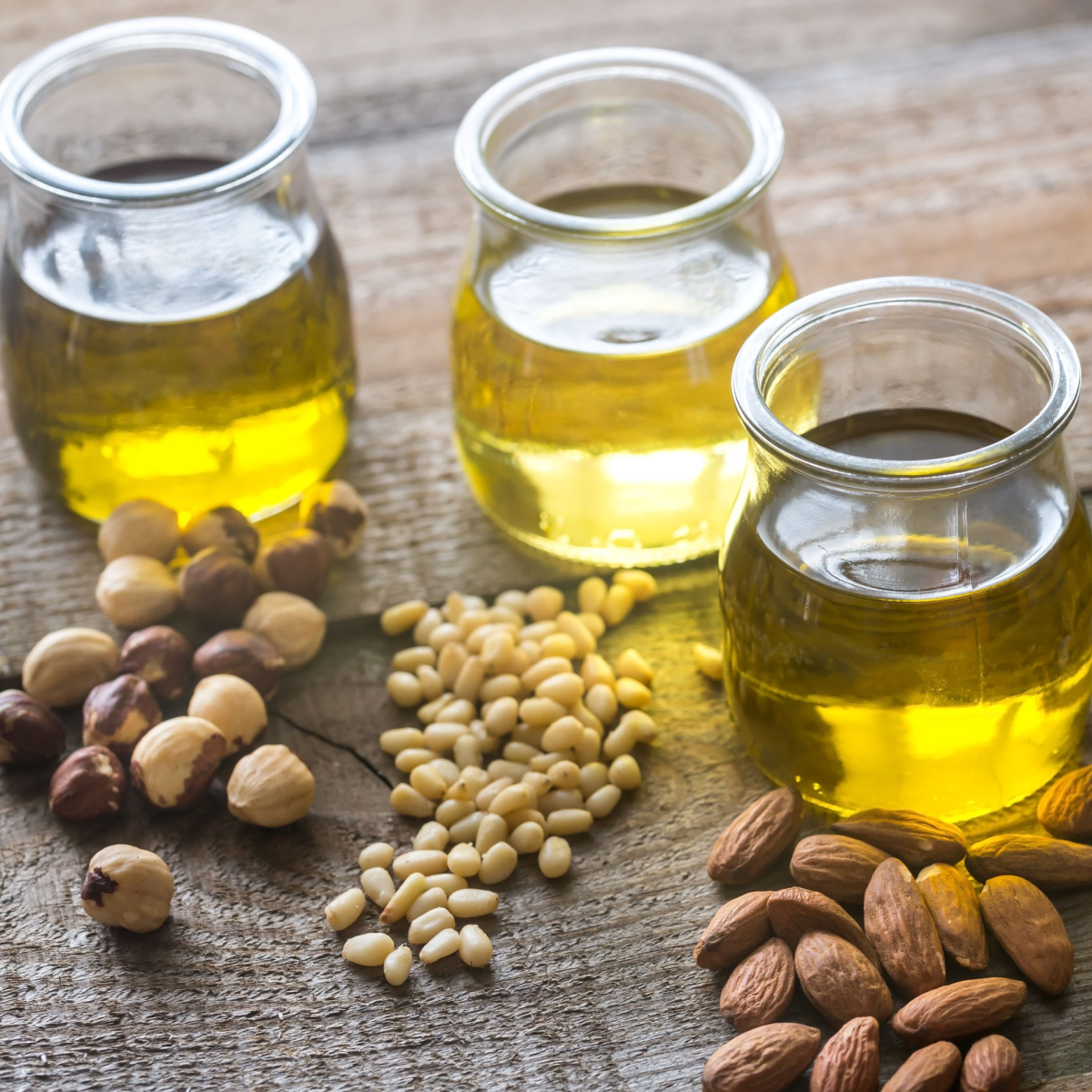
Red Rasperry Seed spf 58
Wheatgerm Oil spf 22
Carrot Seed Oil SPF 40
Almond Oil spf 5
Coconut Oil spf 8
Olive Oil spf 8
Advocado spf 15
Shia Butter spf 10

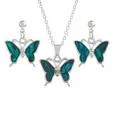
Ancient Maori people named Paua shell as “The gift of the God of the
sea.” It is often referred to as the “Sea Opal” due to its striking blues,
greens and fiery flashes and the iridescent patterns that change as they
catch the light. It is the most sought-after amongst the varieties of
Abalone, making each piece of jewellery unique.
Tide Jewellery® Paua shell is sustainably sourced as a by-product
from the Farmed Fishing Industry of New Zealand and is never
dredged or free fished. This Jewellery is tested against European
Regulations and the plated, or Stainless-Steel components, are
hypo-allergenic.
According to Maori practice, giving beautiful Paua shell is considered
extremely lucky and is believed to bring sensitivity, harmony,
prosperity, and peace to the wearer. Paua shells were used to treat
ailments and health conditions including, deficiency of calcium,
hearing problems and nervous system disorders. Many traditional and
contemporary crafts of New Zealand use these shells and Paua shell
has always been an indispensable part of jewellery making.
Contrary to what some of us would like to believe, none of us are born with a sweet tooth. Sugar cravings are the undoing of many people’s new years resolutions, the driver behind sneaking a brownie with your coffee, and the leading cause of entire blocks of chocolate disappear ingin one sitting. From the physiological to the psychological, there are several factors at play when it comes to sugar cravings, and the consequences of consuming too much sugar can be dire.
So, why do some people just seem to always crave sugar? You’reeating your emotions Stress eating is experienced by most people at some point in their lives, and sugar fiends aren’t immune. When you’re stressed, your body releases cortisol, otherwise known as ‘the stress hormone’. When your body is stressed, it uses more energy as your sympathetic nervous system is activated and in overdrive, so you look for the quickest energy boost you can find–sugar.
The link between sugar cravings and emotions is also found in people experiencing depression. When we consume sugar, our serotonin levels–otherwise known as ‘the happy hormone’–increase. So, when we’re looking for that dose of serotonin, sugar is often the quickest source. You’re not eating enough of the good stuff People with poor eating habits tend to be lacking in one or more nutritional areas, leaving the body to play catch-up on refuelling its energy stores to keep functioning.
In a fast-paced world with ever-increasing energy demands, some people go to the quickest and most convenient way to restore that energy–you guessed it. Sugar. Refined sugar gives the body a big energy spike, but what goes up must come down, and the body comes down hard and fast. After the energy spike comes the fast drop, and people often try to remedy this by eating more sugar, creating a vicious cycle of highs and lows and nonstop sugar cravings.
You’re a creature of habit Habits can be good and bad. For example, habitually going for a run at the same time every morning is good. On the contrary, drinking an energy drink at the same time every morning can be bad. Habits are formed over time, and eventually become second nature to a person’s routine, making them notoriously hard to break.
What may seem like a sugar craving after dinner might in-fact just be the result of a habit of always eating dessert. The brain has essentially trained itself to expect a hit of sugar at a certain time or after a certain trigger, and usually needs to be retrained to break the cycle.